
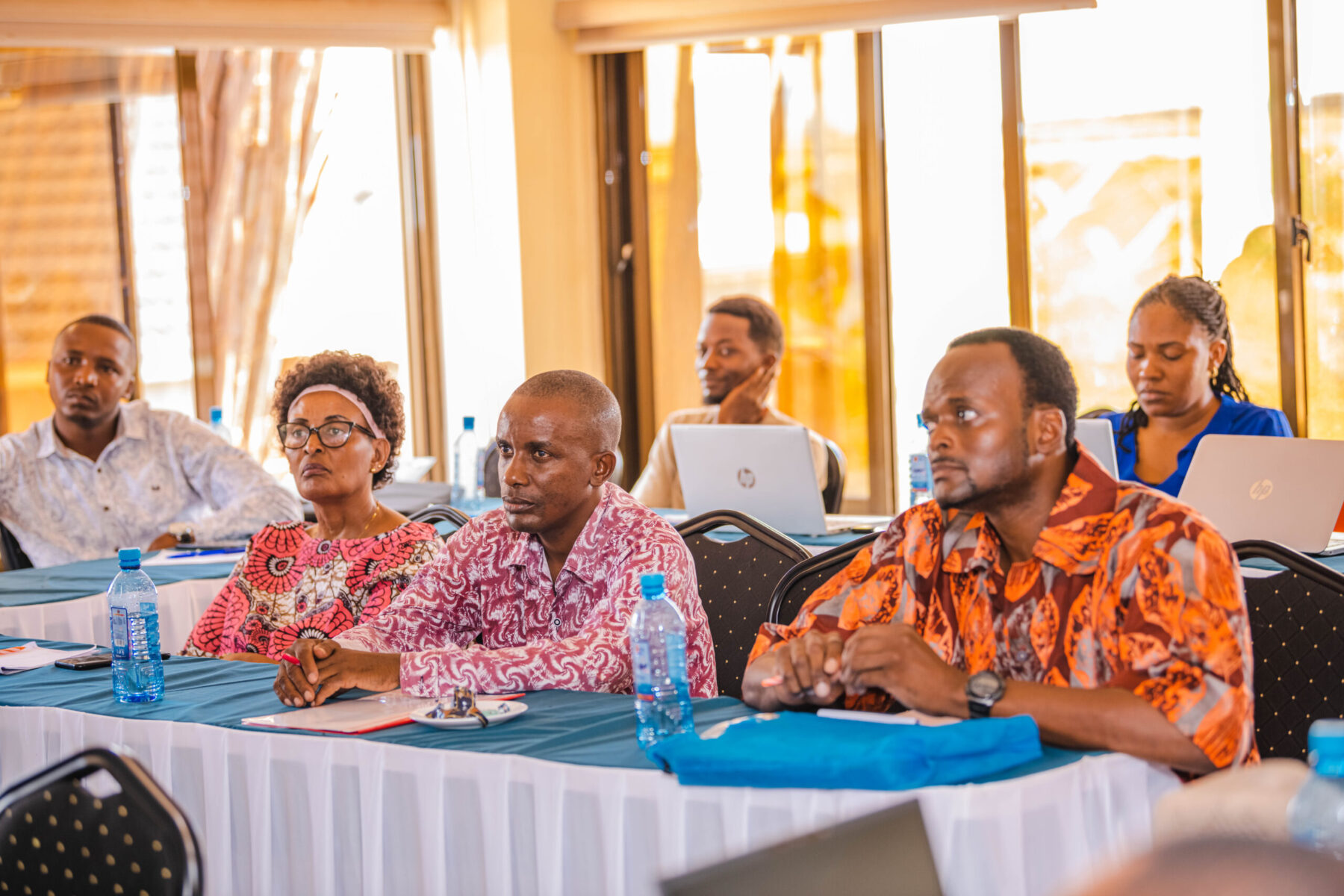

May, 20, 2026. To have sustainable conservation models and resilient communities, there must be strong planning frameworks. Guided by the provisions of the Wildlife Conservation and Management Act (WCMA 2013), stakeholders from the Nema Kenya, The Taita Taveta County Government, Kenya Wildlife Service, Wildlife Research & Training Institute Kenya, African Wildlife Foundation, and other conservation partners convened for core planning meetings aimed at developing the Amaka Ranch Management Plan and reviewing the Mgeno Ranching Company Management Plan.
The meetings marked an important milestone in strengthening community-led conservation efforts in Taita Taveta County and the Tsavo Ecosystem at large. Through the Harmony in Habitat Project: Empowering Communities for Nature’s Resilience, we are supporting the two conservancies in developing robust management plans that will serve as foundational guiding documents towards sustainable conservation and development.
Management plans are critical tools in conservation governance. They provide a clear and structured framework for informed decision-making, biodiversity conservation, sustainable land use, and the prioritization of community development needs. More importantly, they help align conservancy operations with national legislation and county development priorities, ensuring that conservation efforts remain inclusive, coordinated, and sustainable for future generations.
For Amaka Ranch, the process represents a significant step toward its anticipated gazettement as a conservancy. The ranch looks forward to joining the growing network of 8 already gazetted conservancies in the landscape, strengthening conservation connectivity and community stewardship across the region.
The review of the Mgeno Conservancy management plan also presents an opportunity to reflect on emerging conservation realities, strengthen governance approaches, and incorporate lessons learned to better respond to environmental and community needs.

As communities and conservation stakeholders continue to work together, these management plans stand as more than policy documents; they are blueprints for coexistence, resilience, and the long-term protection of people, wildlife, and natural resources.