

September, 1, 2026. Kenya’s livestock sector remains one of the country’s most important pathways to rural income, nutrition, and resilience. According to the USDA Foreign Agricultural Service report Kenya: Overview of the Kenya Dairy Industry (GAIN Report KE2024-0013, December 2024), the dairy industry contributes 17 percent to agricultural GDP and 3.8 percent to national GDP, while smallholder farmers account for about 80 percent of milk produced. The same report estimates that Kenya produced 5.76 billion litres of milk in 2023, with only about 15 percent handled by the formal sector. On the meat side, recent livestock-sector analysis notes that Kenya is still unable to fully meet domestic demand for beef and poultry, while meat-products exports in 2023 were valued at KSh19 billion, up from KSh11.5 billion in 2022. Together, these figures underline the scale of opportunity and the productivity gaps that farmer-centred livestock service models such as LiSA can help address.
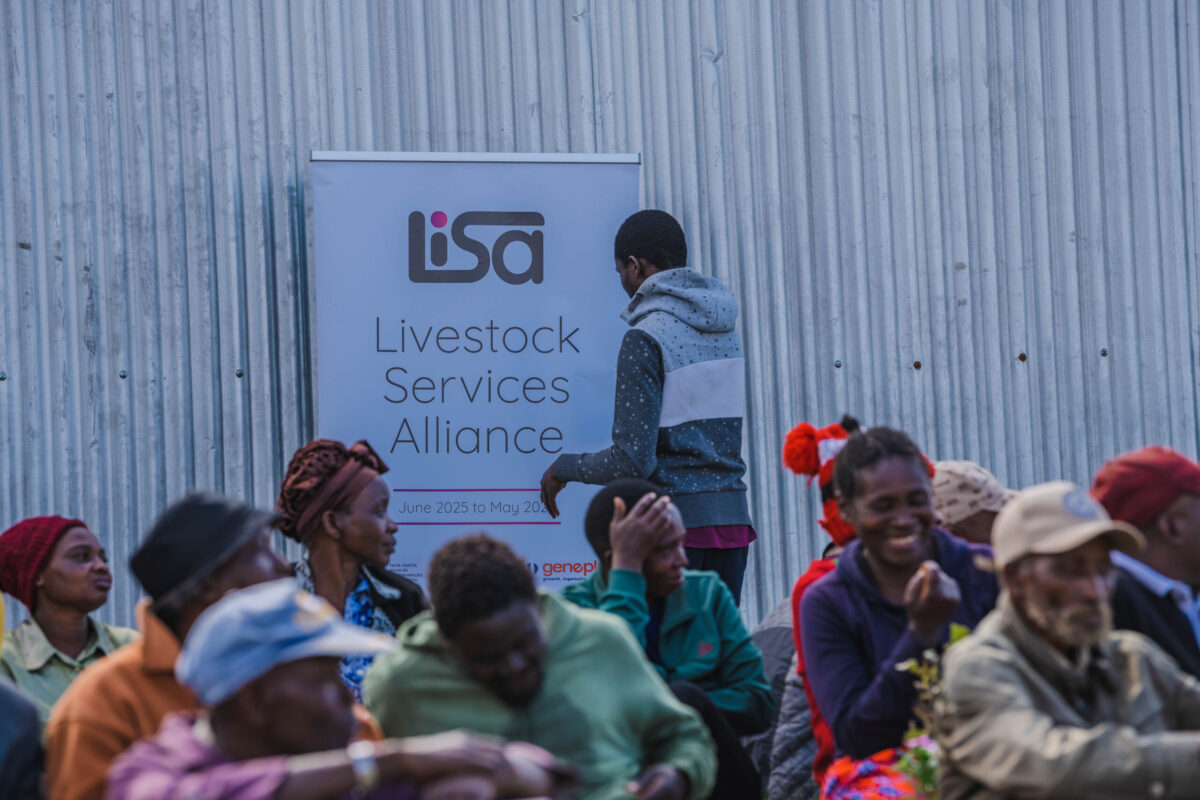
Against this national backdrop, last week, through the LiSA Project, TTWCA, in collaboration with the county government of Taita Taveta and its partners, conducted a community awareness and farmer registration exercise across the Taita Hills. The outreach reached approximately 740 smallholder dairy farmers in Sungululu, Shigharo, Saghasa, Wasinyi, Werugha, Mghange Dawida, Mwanda and Mgambonyi in Wundanyi Constituency.
The engagements gave farmers an opportunity to openly share persistent challenges affecting livestock productivity. Common issues raised across the target areas included the high cost of artificial insemination services, limited access to veterinary support, livestock diseases, feed and water scarcity, low-producing breeds, low conception rates, weak farm records, and limited advisory support.
Through the Livestock Service Alliance (LiSA) project, TTWCA is working with GenePlus, Cowtribe, Moome, Villgro, ILRI, IDRC-CRDI, and the County Government of Taita Taveta to improve access to essential livestock services. The project will offer farmers a bundled package that brings together disease control, artificial insemination, animal identification, access to credit, and regular advisory support delivered through mobile phones at a subsidised rate. This model is designed to make services more accessible and affordable while strengthening farmers’ knowledge and improving livestock productivity.
During the engagements, the Taita Taveta County Director of Veterinary Services, Dr. Jeremiah Ngugi, highlighted practical gaps that can undermine livestock performance, including poor hygiene, delayed identification of heat, and inappropriate timing of artificial insemination. These issues will be addressed as project implementation begins in the coming days.

The outreach also extended to Lualenyi, Mgeno, and Maungu conservancies, with additional livestock-producing ranches expected to be onboarded. This reflects the project’s broader focus on linking livestock development across both smallholder dairy systems and commercial beef enterprises.
As registration continues, LiSA will generate evidence on how bundled services, climate-resilient breeds, improved disease control, digital tools and stronger farmer support systems can improve livestock productivity. The project will also promote meaningful participation of women in livestock management and household decision-making.
This marks an important step toward a more accessible, affordable, and farmer-centred livestock service system in Taita Taveta County, while advancing implementation of the ANITRAC Bill and supporting stronger livestock-based livelihoods.