
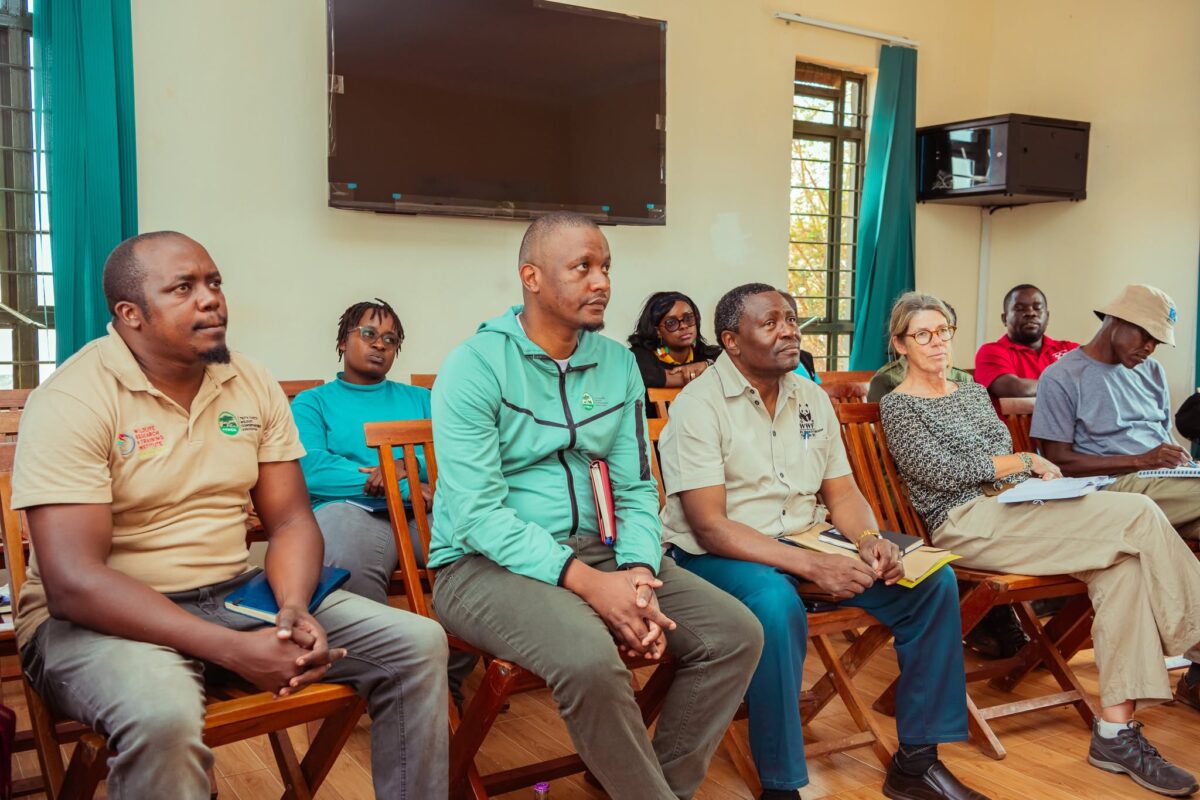

September, 16, 2026. TTWCA hosted the European Union Delegation for a field visit to the Tsavo Landscape, showcasing progress under the Harmony in Habitat: Empowering Communities for Nature’s Resilience project. The project is funded by the European Union and implemented by a consortium of partners – Landscape Alliance CIFOR & ICRAF, Rhino Ark Kenya Charitable Trust, and Kenya Wildlife Conservancies Association, led by WWF-Kenya. The visit offered a firsthand look at how communities, County government, and conservation partners are working together to strengthen conservation across the landscape.
The visit began with a courtesy call to H.E Andrew Mwadime, Governor of The Taita Taveta County Government, followed by engagements on land-use planning, water, and natural resource management. Discussions centred on strengthening environmental governance through TTaWECoF (Taita Taveta WASH and Environment Coordinating Forum), while also highlighting progress towards the County Spatial Plan, an important framework for integrating wildlife corridors, community land, and conservation priorities into sustainable land-use planning across the county.
The delegation then visited Mgeno Ranching Company, one of the six community conservancies supported by the project, to see how strengthened community institutions are contributing to natural resource management and wildlife protection.
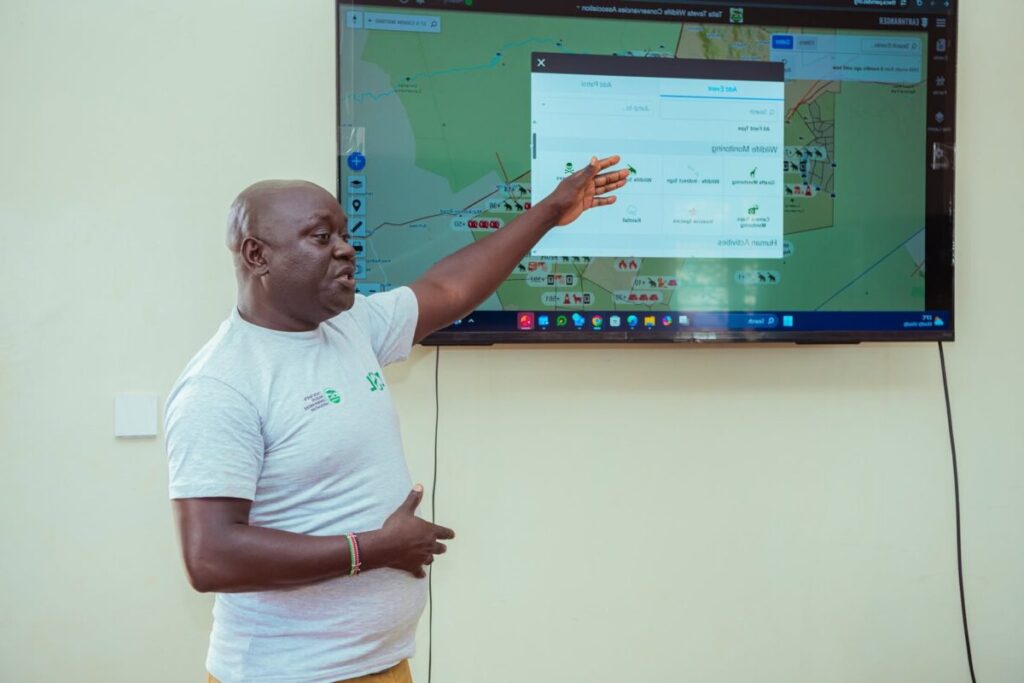
The visit culminated at the TTWCA Conservation Hub, where the delegation saw how ranger operations, wildlife monitoring and human–wildlife conflict response are coordinated. The hub also demonstrated how data captured through EarthRanger and SMART is used to inform patrol planning, incident response and conservation decision-making.
Through these interventions, the Harmony in Habitat project is advancing community-led conservation, strengthening landscape governance and conservancy institutions, building ranger capacity, and promoting human–wildlife coexistence. By bringing together consortium partners, county governments and local communities, and embedding human rights and gender-responsive approaches, the project is supporting more inclusive, sustainable and resilient conservation across the Tsavo landscape.