
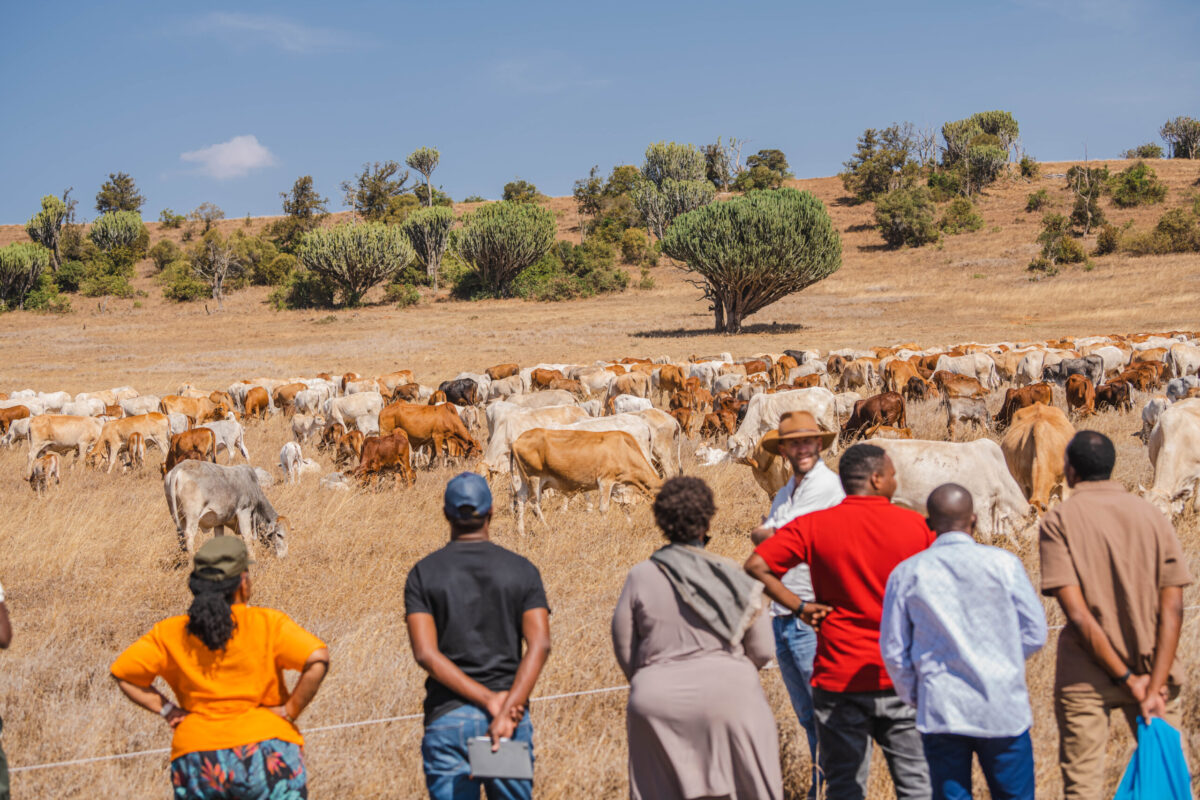

August, 26, 2026. From Taita Taveta to Laikipia, representatives of Choke Conservancy and Amaka Ranch & Wildlife Conservancy set out on more than a learning visit. The journey offered a practical look at how conservation can become a well-managed enterprise that benefits communities, protects wildlife, and sustains the land.
The governance & management learning and training were led by Taita Taveta Wildlife Conservancies Association, in partnership with the Kenya Wildlife Conservancies Association, through the Empowering Communities for Nature’s Resilience project.
At Ol Pejeta and Borana conservancies, participants explored practical approaches to private conservancy management. Discussions covered enterprise development, financial sustainability, livestock-wildlife integration, rangeland management, community involvement, security, technology and the systems needed to run successful conservancies.
KWCA Chief Executive Officer Dickson Kaelo urged the team to go beyond observation. “Ol Pejeta is one of the oldest conservancies to effectively demonstrate the conservancy model. I believe you are going to learn, and not just learn, but replicate what you are going to see,” he said.
For Kaelo, the central lesson was financial sustainability. He emphasized that conservancies must diversify revenue and treat conservation as a complete business, from governance and legal structures to infrastructure, management and visitor experience.
He also reminded participants that first impressions matter. Roads, gates and other infrastructure should communicate a conservancy’s story from the moment visitors arrive. More importantly, he challenged them to return home asking: Where do we want to be, and what systems must we put in place?
At Ol Pejeta, participants saw conservation, tourism, livestock, security, technology and community engagement working as one connected system. For Emma from Choke Conservancy, this integration was one of the strongest lessons. “You don’t just talk about integration; you see it across all the departments. What they say is what they do,” she said.
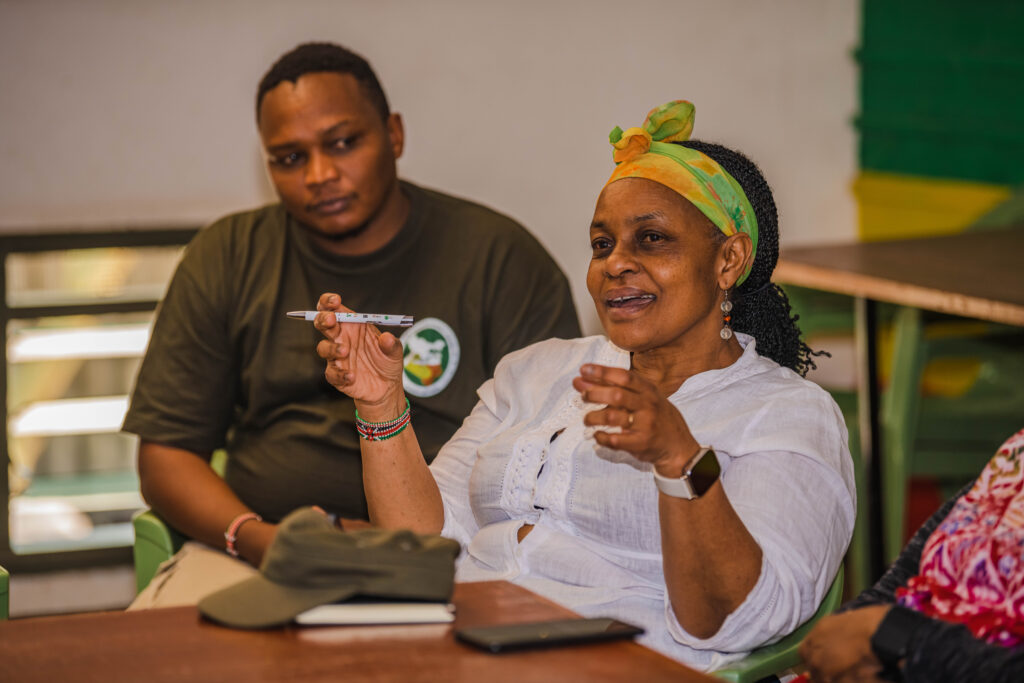
The experience reshaped how she viewed the link between wildlife and enterprise. “We need to create space for wildlife but make money out of it as conservancies in Taita. Let’s make it a business,” she said. Still, she stressed that communities must feel they are not only benefiting from conservancies but are part of them.
For Amaka Conservancy, the visit offered inspiration and realism. A representative noted that while Ol Pejeta provides a useful model, Amaka must begin with what is practical, start small and grow gradually. The aim is not to duplicate Laikipia’s conservancies, but to adapt lessons that fit local resources, needs and landscapes.
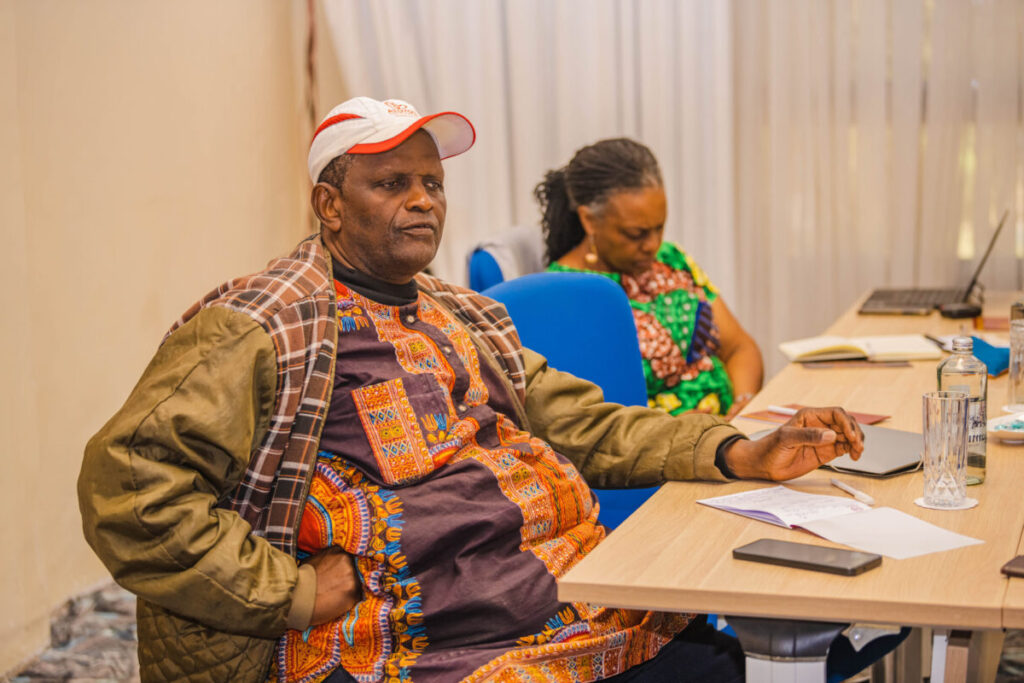
Mkala Lenjo of Amaka highlighted access control as a practical step. He observed that gates at roads and entry points can help conservancies manage operations, improve security and generate revenue. He also pointed to professionalism, strong security and reliable systems as practices worth emulating.
Another major takeaway was the need to make every acre count. Participants saw how land can support both conservation and livelihoods when wildlife, livestock and rangeland management are planned together rather than treated as competing interests.
It was noted that better land use is essential for sustaining conservancies. Participants also emphasized the role of rangers, describing them as the foundation of tourism and conservation activities. For conservancies seeking stronger security, better tourism and improved conservation outcomes, investing in ranger training, equipment, welfare and professional growth is essential.
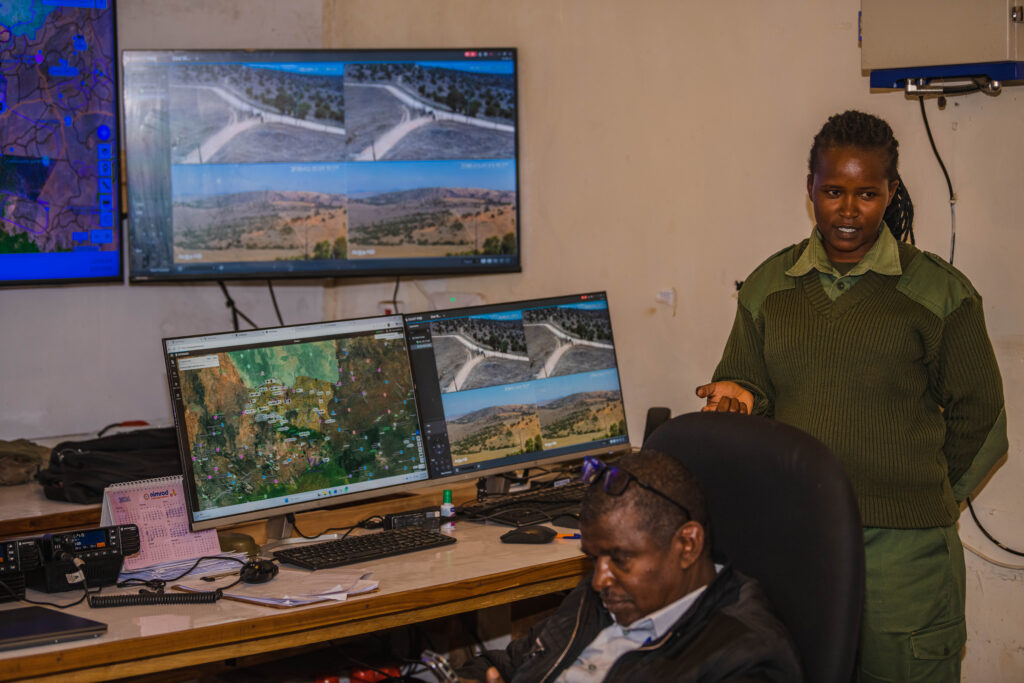
Technology also stood out as an important enabler. From wildlife monitoring and security to daily operations, participants saw how digital tools can improve decision-making and efficiency. Lenjo said adopting technology would help conservancies strengthen management and monitoring, especially when combined with ranger training and capacity building.
The wider lesson was clear: technology works best when it supports people, systems and accountability. It should strengthen, not replace, the human effort required to manage land, wildlife and community relationships.
From the learning, the key question was not only what participants had seen, but what they would do differently at home. Ol Pejeta and Borana showed that successful conservancies are built deliberately through strong governance, legal clarity, professional management, diversified income, effective security, meaningful community participation, good infrastructure and clear conservation goals.
For Choke and Amaka, the Laikipia visit turned lessons into a call for action. The challenge now is to translate learning into systems that work locally: systems that protect wildlife, improve livelihoods, attract investment and give communities a genuine sense of ownership.