


September, 24, 2026. Following the official handover of the Bachuma Livestock Export Processing Zone (LEPZ) to a private investor, operations are expected to begin immediately. In line with this, members of the Taita Taveta Wildlife Conservancies Association, representing ranches and conservancies, joined the Cabinet Secretary for Agriculture and Livestock Development, Sen. Mutahi Kagwe, the Principal Secretary for Livestock Development, Jonathan Mueke, and the Taita Taveta Governor, Dr Andrew Mwadime, for a breakfast meeting. The discussion focused on how ranches can make the most of the LEPZ’s animal quarantine, inspection and certification services and strengthen their role as key livestock producers to capitalise on the export market.
During the meeting, a departmental delegation outlined livestock programmes already underway. These include the nationwide mass vaccination programme, livestock traceability through ANITRAC, artificial insemination for breed improvement, and the DRIVE project, which seeks to strengthen livestock resilience through insurance coverage that protects farmers’ assets. To maximise the benefits of the livestock economic stimulus initiative, the ranches were urged to fast-track the establishment of a county livestock investment company. The proposed company would help them access government support, improve livestock production across the county and ensure a reliable supply of quality animals to the facility.
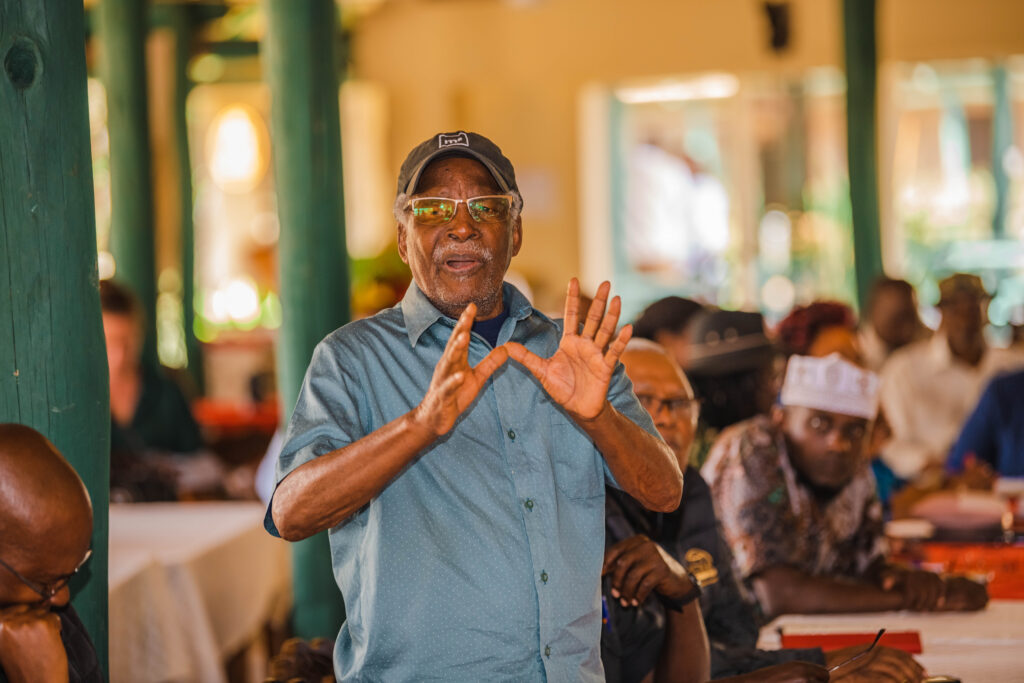
Speaking on behalf of the ranchers, TTWCA’s Chairperson, Mr Donald Bong’osa Mcharo, highlighted three persistent challenges: inadequate financing, limited water and poor-quality breeds. He also shared the ranches’ ambition to develop a distinctive Taita breed that can compete in national and international markets. “Our goal is to build a strong Taita breed that can earn better returns and deliver lasting economic value for the ranches,” he said.
The Cabinet Secretary acknowledged the concerns and noted that Taita Taveta has abundant resources that could drive stronger livestock production. On water scarcity, he committed to working with his counterpart in the Ministry of Water, guided by the county water master plan. Addressing the financing gap, he emphasised that Taita ranchers are central to the county’s livestock economy and urged them to fast-track the formation of the proposed livestock investment company. “Move quickly to establish the company so that you can tap into available government resources, technical expertise, capacity-building support and training,” he said.
Principal Secretary Jonathan Mueke added that the government is piloting feedlots for intensive livestock production in four counties. Because of its established ranching structures, Taita Taveta is now proposed as the fifth county to join the initiative. “The structures already in place give Taita Taveta a strong foundation for the feedlot model,” he noted.
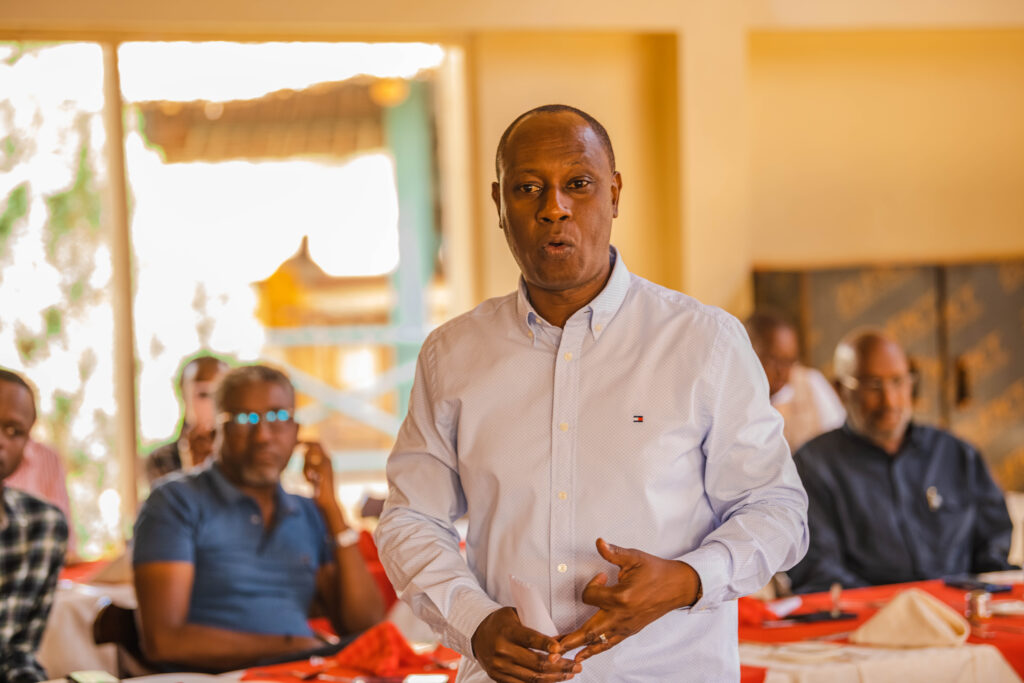
The engagement concluded with the ranches presenting a memorandum to the Cabinet Secretary. The document captured the key issues raised during the discussion and the areas requiring follow-up by the ministry. This marks an important step towards transforming livestock production in Taita Taveta County and strengthening the sector’s contribution to Kenya’s wider economy.