
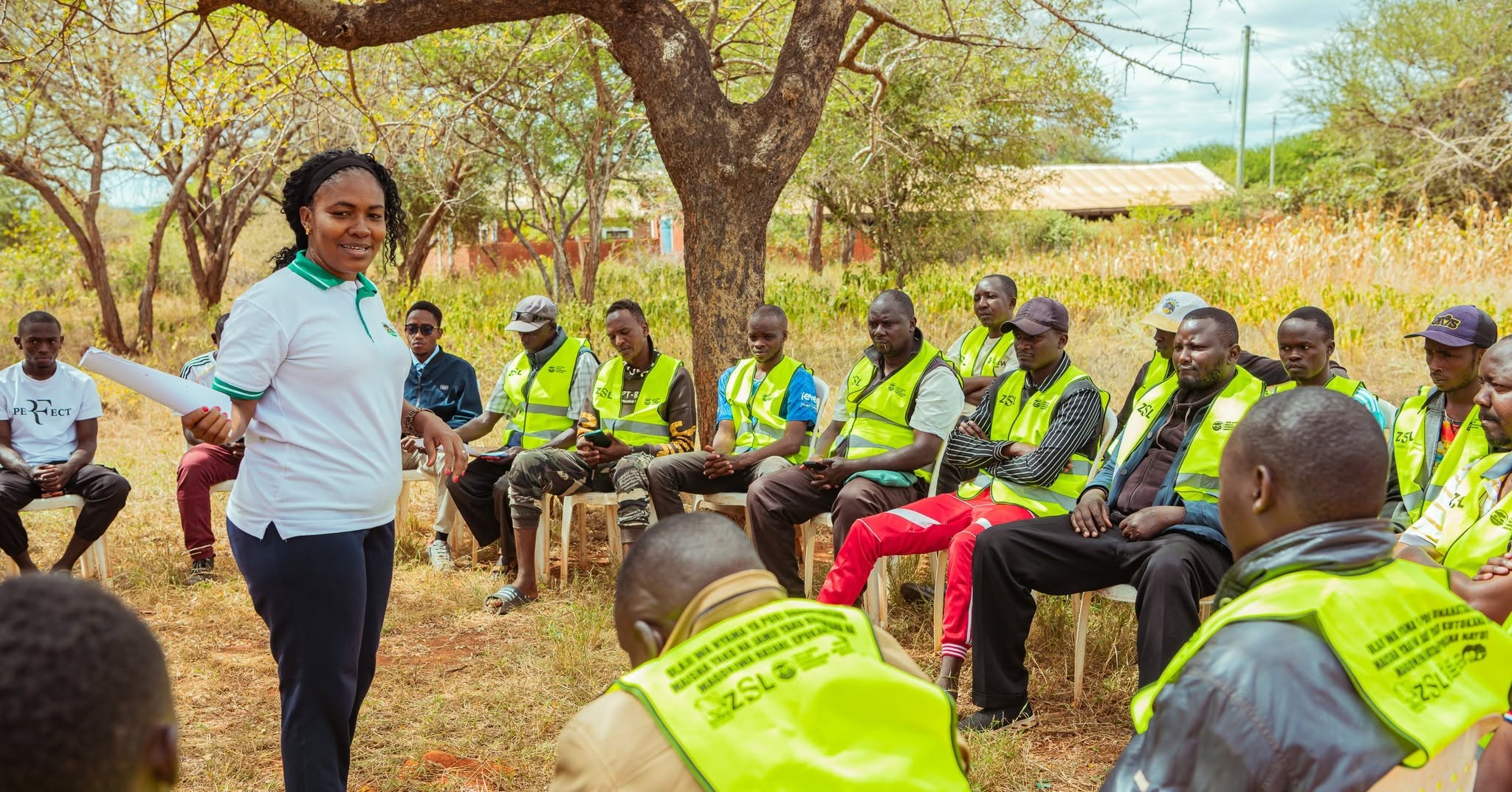

July, 4, 2026. For communities living alongside the Tsavo Conservation Area, illegal hunting and the consumption of wild meat continue to threaten wildlife populations, ecosystem health, and the livelihoods that depend on healthy natural ecosystems.
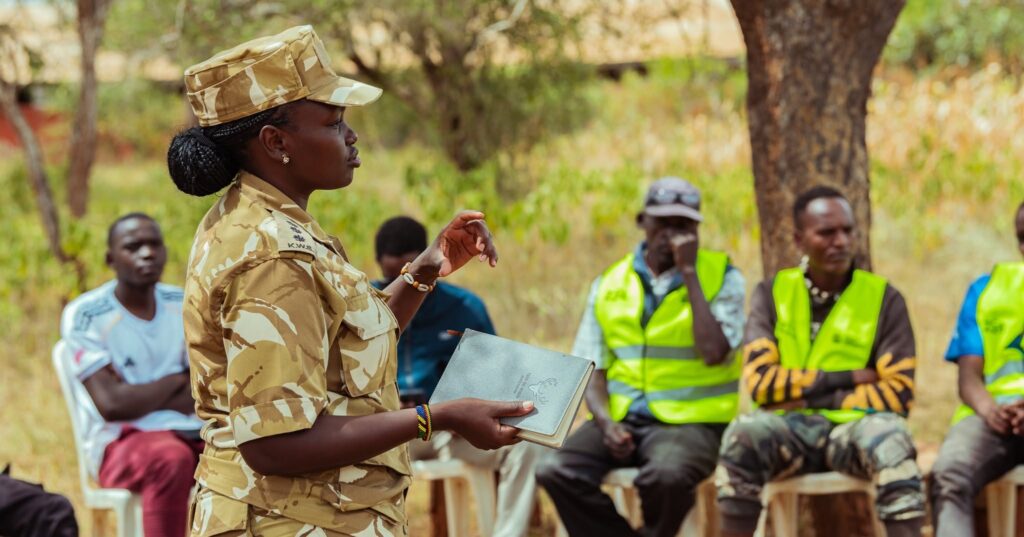
A baseline survey conducted at the start of the project identified Mwachabo and Njukini locations, among others, as hotspots for wild meat consumption.
In response, TTWCA, together with the Kenya Wildlife Service, conducted community awareness sessions in these areas, bringing together residents and boda boda riders to discuss the impacts of illegal wild meat trade and the provisions of the Wildlife Conservation and Management Act, 2013.
As one of the most common means of transport in these communities, boda boda riders have a unique opportunity to help disrupt the illegal movement of bush meat. By equipping them with knowledge and fostering a shared sense of responsibility, these engagements are helping turn community members into active partners in wildlife conservation.
Through the Equitable Responses to Illegal Wild Meat Hunting Project, implemented by TTWCA in collaboration with ZSL and funded by the Darwin Initiative, we are working with frontline communities to reduce illegal wild meat hunting, promote sustainable livelihoods, and strengthen coexistence between people and wildlife.
Protecting wildlife begins with informed communities, and every conversation brings us closer to a future where both people and wildlife thrive.