

March, 9, 2026. Illegal wild meat hunting has long been driven by poverty, food insecurity, and the absence of alternative income sources. For decades, families living around the Tsavo Conservation Area (TCA) have relied on hunting wildlife for food or income, a practice that threatens biodiversity and undermines conservation efforts. But change is taking root.
Since partnering with the Zoological Society of London to implement a Darwin Initiative–funded project, the Taita Taveta Wildlife Conservancies Association (TTWCA) has worked hand in hand with local communities to reduce reliance on wild meat. The project’s mission is clear: empower people with sustainable livelihoods that foster coexistence between communities and nature.
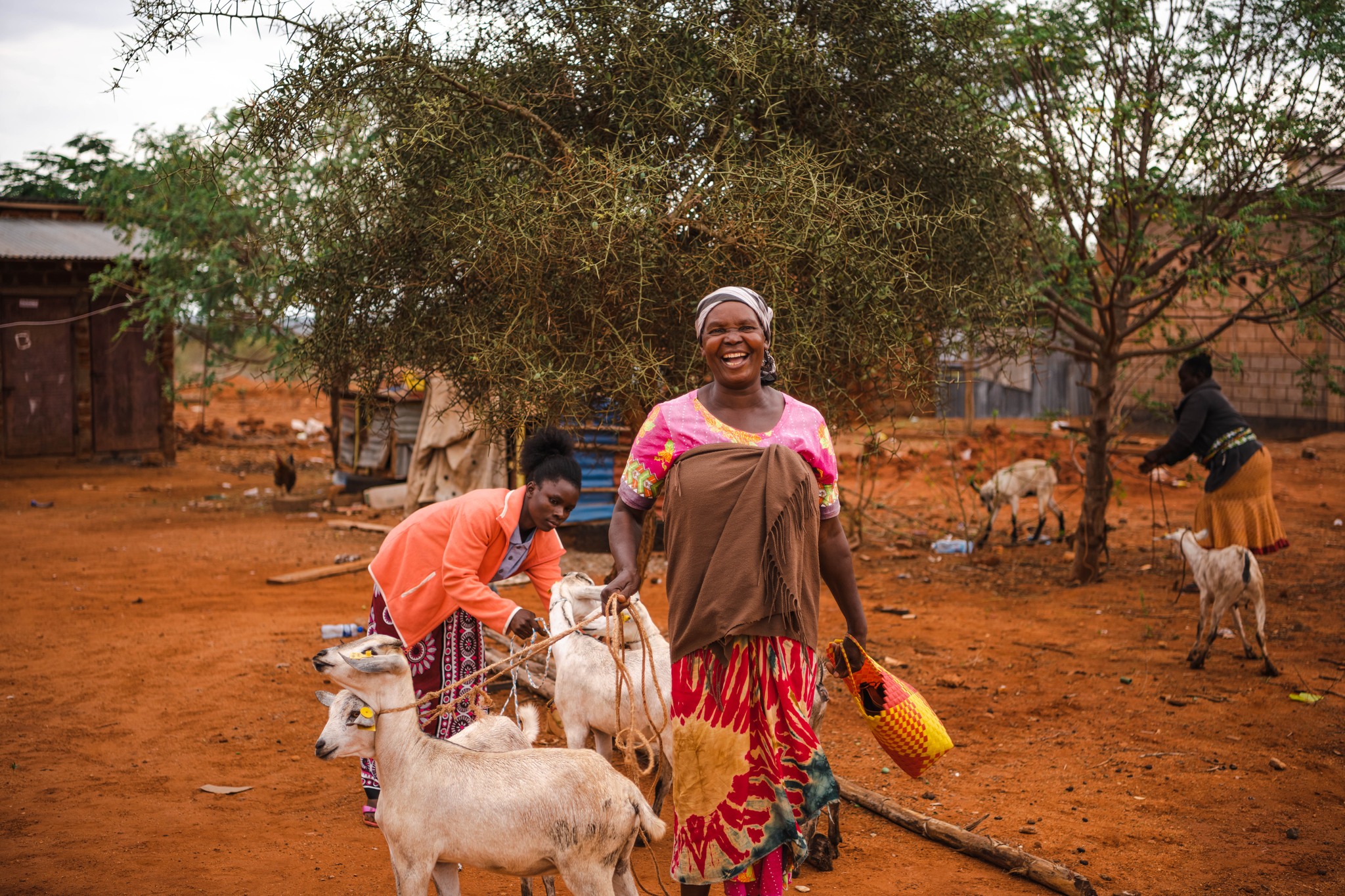
After last year’s comprehensive livelihood training sessions for members of Village Savings and Loan Associations (VSLAs) in Maktau and Mwashoti (Mwatate Subcounty), as well as Chumvini and Njukini (Taveta Subcounty), the project has entered a pivotal phase, which involves livestock distribution. In Mwashoti and Maktau, 78 hardy Gala goats have been handed over to VSLA groups, while in Taveta, 58 Dorper sheep will be distributed to community members by the end of this month. These animals are not just livestock; they represent a new path toward food security, income generation, and resilience.
This initiative is part of an ongoing campaign to encourage communities to seek alternative sources of protein rather than relying on wild meat. Importantly, the goats and sheep were chosen by the communities themselves, ensuring that the project is rooted in local passion and ownership
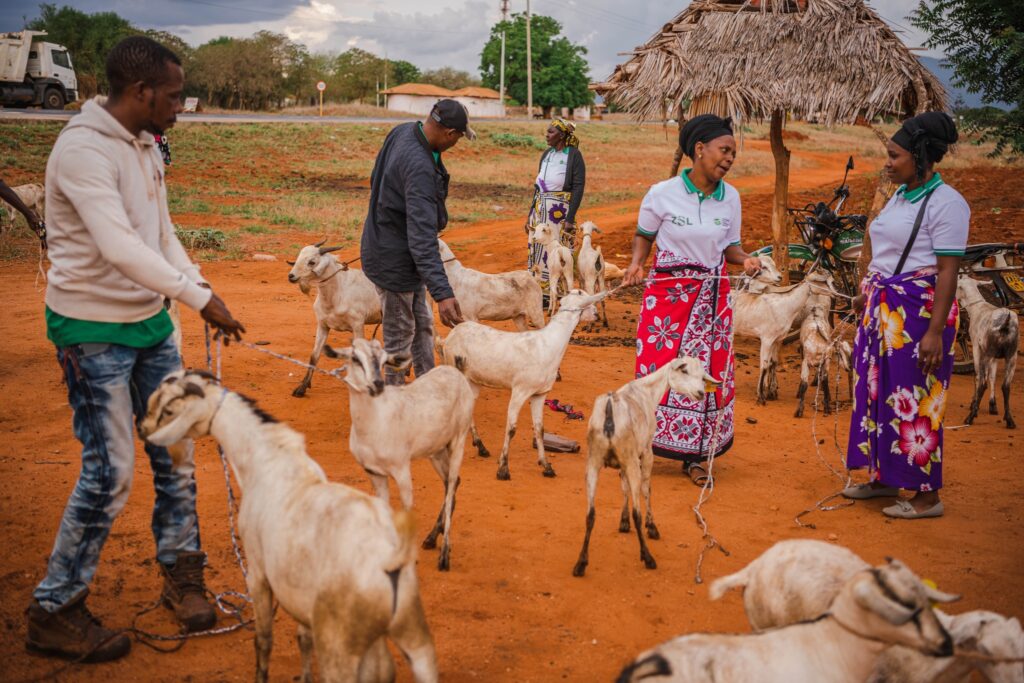
“After a long run, TTWCA has supported us with these quality goats that we believe will transform members’ livelihoods,” expressed one community member in Maktau.
By investing in sustainable enterprises such as livestock rearing, TTWCA and its partners are helping communities build futures where conservation and prosperity go hand in hand.
The story unfolding in Maktau, Mwashoti, Chumvini, and Njukini is proof that when people are given the tools to thrive, they become champions of wildlife protection and stewards of their environment.