
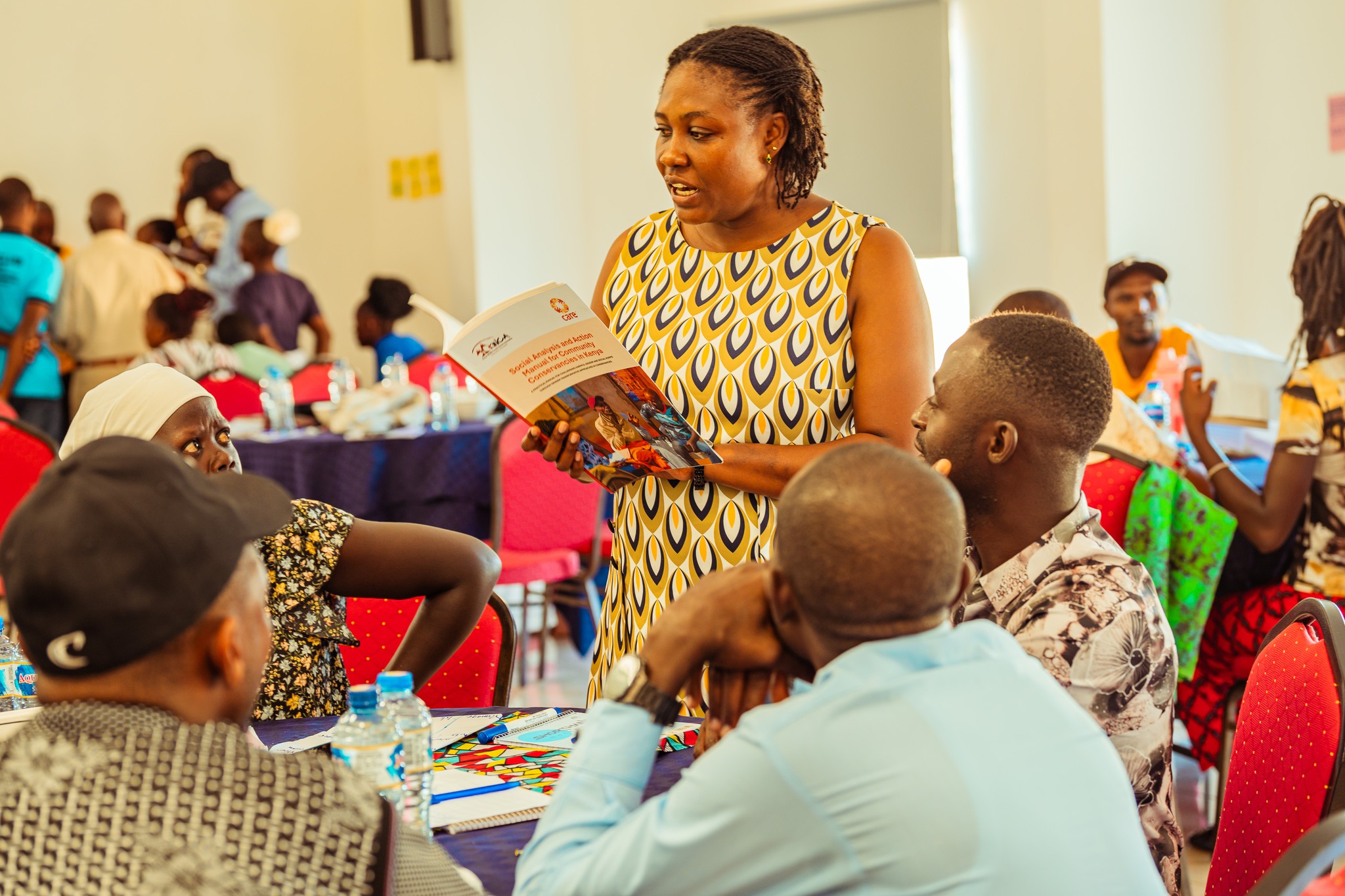

Feb, 12, 2026. TTWCA, in collaboration with the Kenya Wildlife Conservancies Association (KWCA), conducted a five-day Social Analysis and Action (SAA) Workshop bringing together participants from Choke, Bura, Amaka, Mbale, Shumba Valley, and Mgeno Conservancies.
The workshop introduced participants to the Social Analysis and Action (SAA) approach, a participatory methodology that promotes gender equity, inclusive governance, and positive social norm transformation within communities. SAA recognizes that conservation success is deeply connected to social dynamics. When issues of participation, power, and equity are addressed, conservancies and communities become stronger, more accountable, and more effective.
Participants actively engaged with practical tools designed to drive meaningful and lasting change within their communities. Through interactive sessions and guided reflection, they are gained hands-on approaches to strengthen inclusive governance and promote positive social norm change within their conservancies and communities.
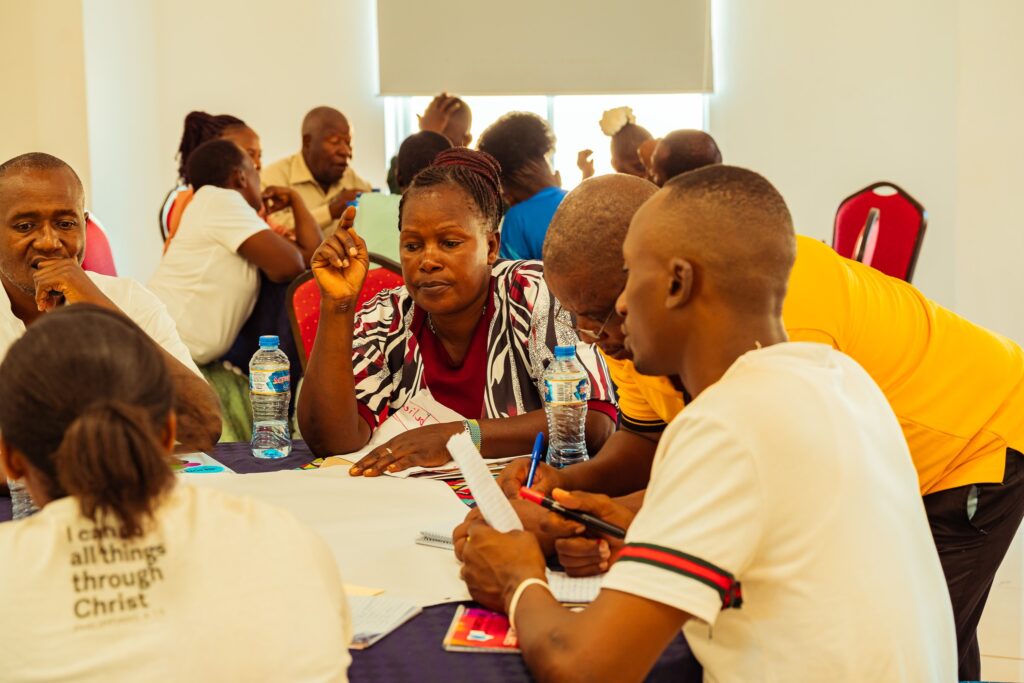
This training introduced participants to social norms analysis tools that help unpack roles, responsibilities, and power relations; facilitated dialogue guides that spark open and honest conversations around beliefs and practices; role and power reflection exercises that examine leadership and decision-making dynamics; action planning frameworks that support the development of clear, shared steps toward positive change; and monitoring and reflection tools that help track progress in shifting attitudes, behaviours, and governance practices over time.
Participants strengthened their confidence and practical facilitation skills, preparing to serve as Gender Champions within their respective conservancies and adjacent communities. In this role, they will lead continued dialogue and community reflection processes, support inclusive engagement, guide locally driven action planning, monitor progress toward positive norm change, and document learning along the way. Through community dialogues, they will help embed more equitable, participatory, and accountable practices within conservancy governance and community structures.
This process goes beyond a one-off training. It emphasized sustained dialogue and long-term engagement, recognizing that meaningful norm change takes time.
By strengthening inclusive and accountable governance, the SAA approach helps ensure that conservation systems and communities are not only environmentally sound but also socially equitable, ultimately contributing to resilient communities and thriving biodiversity across the Tsavo Landscape.