
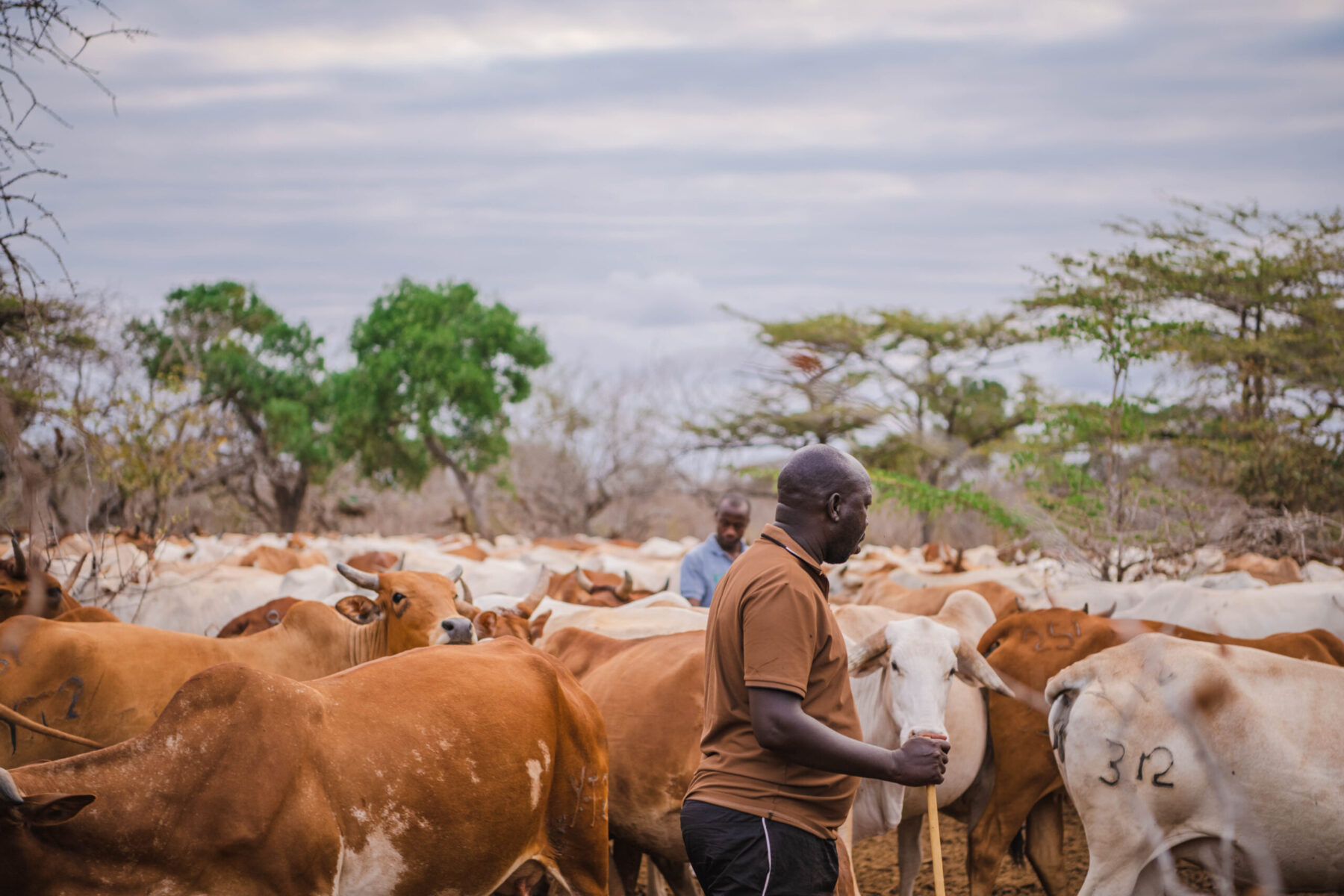

June, 29, 2026. Over the past three years, member conservancies have lost livestock valued at more than KSh 4.3 million to predation, underscoring the urgent need for practical solutions that protect livelihoods while supporting wildlife conservation. This challenge forms the backdrop to ongoing efforts to strengthen coexistence through improved grazing management and predator-proof livestock protection.
Through the Conservation and Rangers Empowerment (CORE) Project, two movable predator-proof cattle bomas were handed over to Taita Wildlife Conservancy, reinforcing efforts to build resilient rangelands where livestock, wildlife, and people can thrive together.
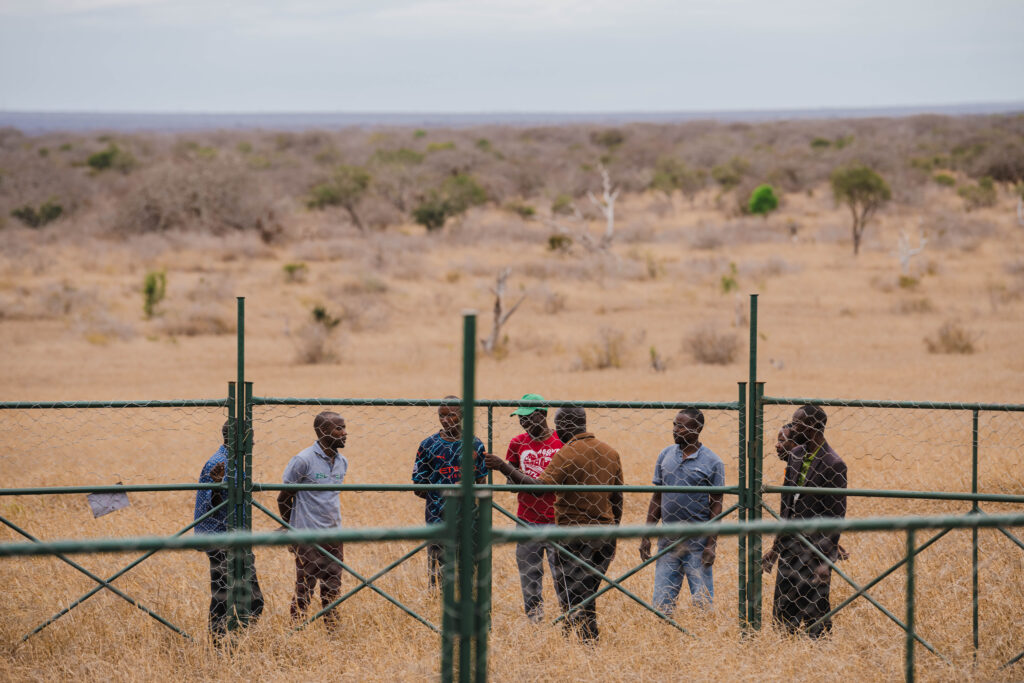
Home to more than 1,800 heads of cattle, the conservancy operates in a corridor landscape that supports both livestock production and diverse wildlife populations. As pressures from predation, resource competition, and land degradation continue to challenge pastoral systems, innovative livestock management approaches are becoming increasingly important. While the two bomas will accommodate only a portion of the conservancy’s herd, they represent a strategic investment in a broader vision of sustainable rangeland management.
These predator-proof bomas provides secure overnight enclosures that reduce livestock losses to predators, improve herder safety, and minimize the risk of retaliatory actions against wildlife. Beyond livestock protection, their mobility enables planned grazing across larger areas of the landscape, allowing livestock to be managed as a positive ecological force.
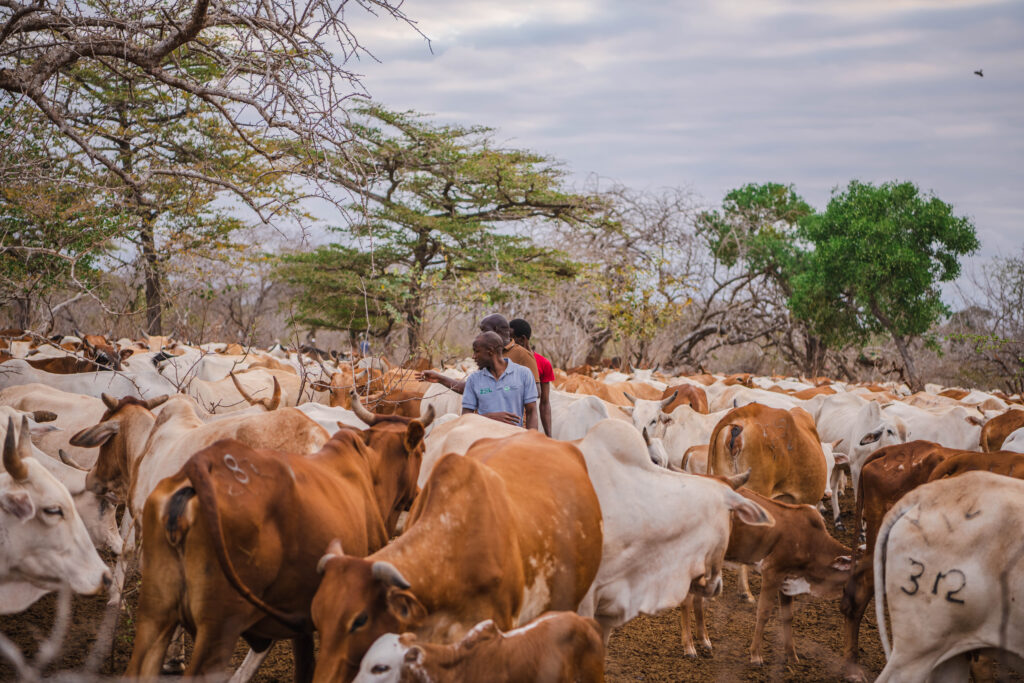
Concentrated grazing, followed by adequate recovery periods, helps stimulate grass growth, improve soil health, break surface hardpans, enhance water infiltration, and naturally distribute manure and pasture seeds across the rangeland.
This approach mirrors the natural ecological processes that have shaped African grasslands for centuries, where large herds of grazing animals moved across the landscape in response to seasonal conditions.
When properly managed, livestock can contribute to restoring degraded land, increasing vegetation cover, improving biodiversity, and strengthening the productivity of grazing systems for both livestock and wildlife.
The holistic bomas also reduce reliance on temporary livestock enclosures constructed from tree branches, a practice that is unsustainable. By providing a durable and reusable alternative, the structures help protect tree cover, support carbon sequestration, and enhance the climate resilience of the landscape.
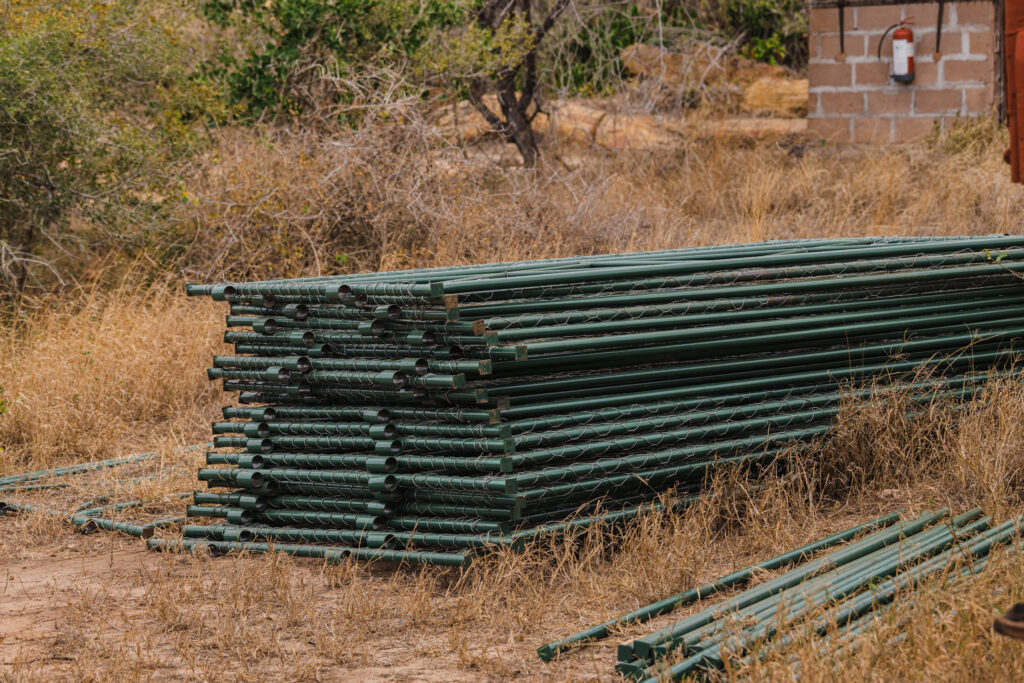
In the landscape, movable predator-proof bomas are more than livestock infrastructure, they are tools for ecological restoration and coexistence. They support healthier grasslands, stronger wildlife corridors, improved livestock productivity, and more resilient pastoral livelihoods.
As TTWCA continues to promote holistic grazing management across the greater Tsavo landscape, investments such as these contribute to a future where thriving rangelands sustain wildlife, livestock enterprises, and the communities that depend on them.